
Peptide Therapy in Los Angeles
Peptide therapy uses short chains of amino acids, the building blocks of proteins, to interact with specific cell receptors and influence various bodily functions. Peptides act like molecular messengers, sending signals to cells that help regulate processes such as hormone production, tissue repair, and metabolism.
Peptide therapy has gained attention as researchers continue to explore how specific peptides may support certain body functions. However, their effects and safety depend on the type of peptide used.
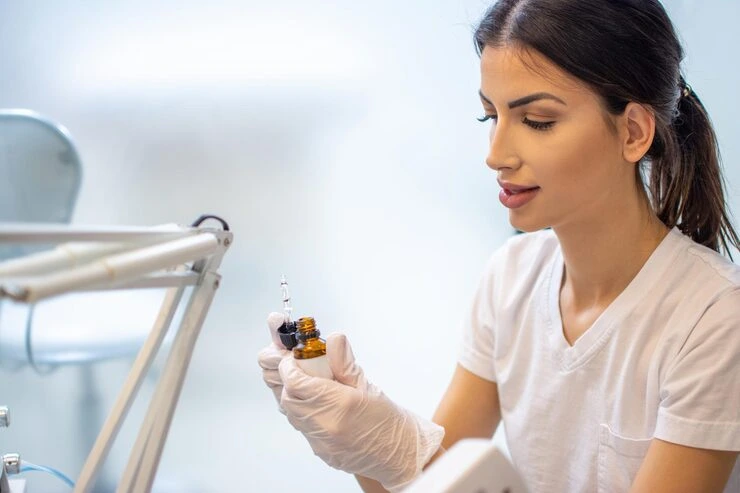
How do Peptides Work in the Body?
Peptides are made up of short chains of amino acids and play different roles in the body. Some act as chemical messengers, sending signals that help carry out specific functions. They can interact with cell receptors and influence processes such as hormone activity, metabolism, and tissue function.
But not all peptides work in the same way. Their effects depend on the structure, the way they interact with the body, and the purpose for which they are used.
Benefits and Uses of Peptides
Peptides have different roles in the body, and researchers continue to study how they may be used in areas such as:
Tissue repair
Certain peptides are being studied for their potential role in supporting tissue recovery and repair
Hormone Regulation
Some peptides may influence pathways involved in hormone production and regulation.
Metabolism
Researchers are exploring how certain peptides affect metabolic processes.
Some peptide-based medicines are already approved for specific medical conditions, while others are still under investigation.
Peptides for Women and Skincare
Peptides for women are often discussed in connection with skin health, aging, and other wellness goals, including:
Skin health: Certain peptides are used on topical areas to support the skin’s appearance. The role depends on the formulation, concentration, and other ingredients included in the product.
If you have wondered, What are peptides in skincare? They are ingredients made from short chains of amino acids that are included in some skincare products. They are commonly used in serums, moisturizers, and eye creams. Different peptides are designed for different purposes. Some might support the appearance of firm skin, while others are used in products focused on improving the look of fine lines.

What to Know Before Considering Peptide Therapy?
Not all peptide products are approved or supported by strong scientific evidence. Some products sold online may have certain ingredients, quality, or safety concerns.
Peptide injections should only be used under medical supervision. Before starting treatment, speak with a qualified healthcare professional about your medical history, current medications, and wellness goals.
You must also understand the possible side effects and whether there are any safer alternatives. Avoid products that promise guaranteed results or encourage you to start the treatment without a medical assessment.
Is Peptide Therapy Right for You?
Peptide therapy may not be suitable for everyone. The right approach depends on your health, personal needs, and the specific peptide being considered. You must not choose it simply because it is popular in wellness discussions.
Individual suitability
Your health history, individual needs, and the specific peptide may affect whether it's right for you.
Professional advice
See a healthcare expert for information on side effects and treatment methods.
Treatment indications
See whether the drug is indicated for your medical condition.
Science-backed choices
Don't rely only on advertised benefits; research the evidence for the treatment's appropriateness.

Explore Your Wellness Options at Violet’s Healing Studio
Choosing a wellness approach starts with understanding your needs and knowing which options are suitable for you. If you’re interested in learning more about peptide therapy, take time to understand the treatment, its potential benefits, and possible risks.
At Violet Healing Studio, you can connect with the team and learn more about the wellness approach and the available services. Reach out to discuss your questions and explore your options before making a decision.
Frequently Asked Questions
How much time will it take before I see any results from the peptide therapy?
There is no clear answer on how long it will take for results to appear. This varies depending on the specific peptide used, its purpose, and the medical condition being treated. Some time periods are based on personal experience, not research.
Can I find peptides in forms other than injections?
Yes. Peptides may be available in oral, nasal, and topical forms depending on their properties and specific type. But different forms are not interchangeable because absorption and effectiveness can differ.
Is it possible to use several peptides simultaneously?
Using several peptides at once is called stacking. But these combinations are not always studied properly, and peptides are not approved for use.
Do I have to inform my doctor about my use of peptides before an operation?
Yes. Inform your surgeon and anesthetist about any peptide products you use. Certain products may affect your reaction to anesthesia, so you need to share this information with your medical team.
Can peptides interact with other medications or supplements?
This is possible. The risk of an interaction depends on the type of peptide and substances you use. Provide your healthcare provider with a list of all medications and supplements you take.
Is there a typical treatment course for peptides?
There is no single treatment course for all peptides. It depends on the product, its intended purpose, and the supporting evidence. Online schedules provided by users should not be considered official.
Should I trust reviews of peptides online?
Reviews may help you learn more about someone else's experience with the product, but that won't tell you if the product is safe and effective. Instead, look for peer-reviewed scientific publications and reputable medical guidelines.